Supporting Mobility, Confidence, and Independence on the Gold Coast
As people age, maintaining strength and balance becomes one of the most important factors in preserving independence and quality of life. Yet strength training is often overlooked when supporting older adults, particularly those navigating mobility challenges, chronic conditions, or neurological changes.
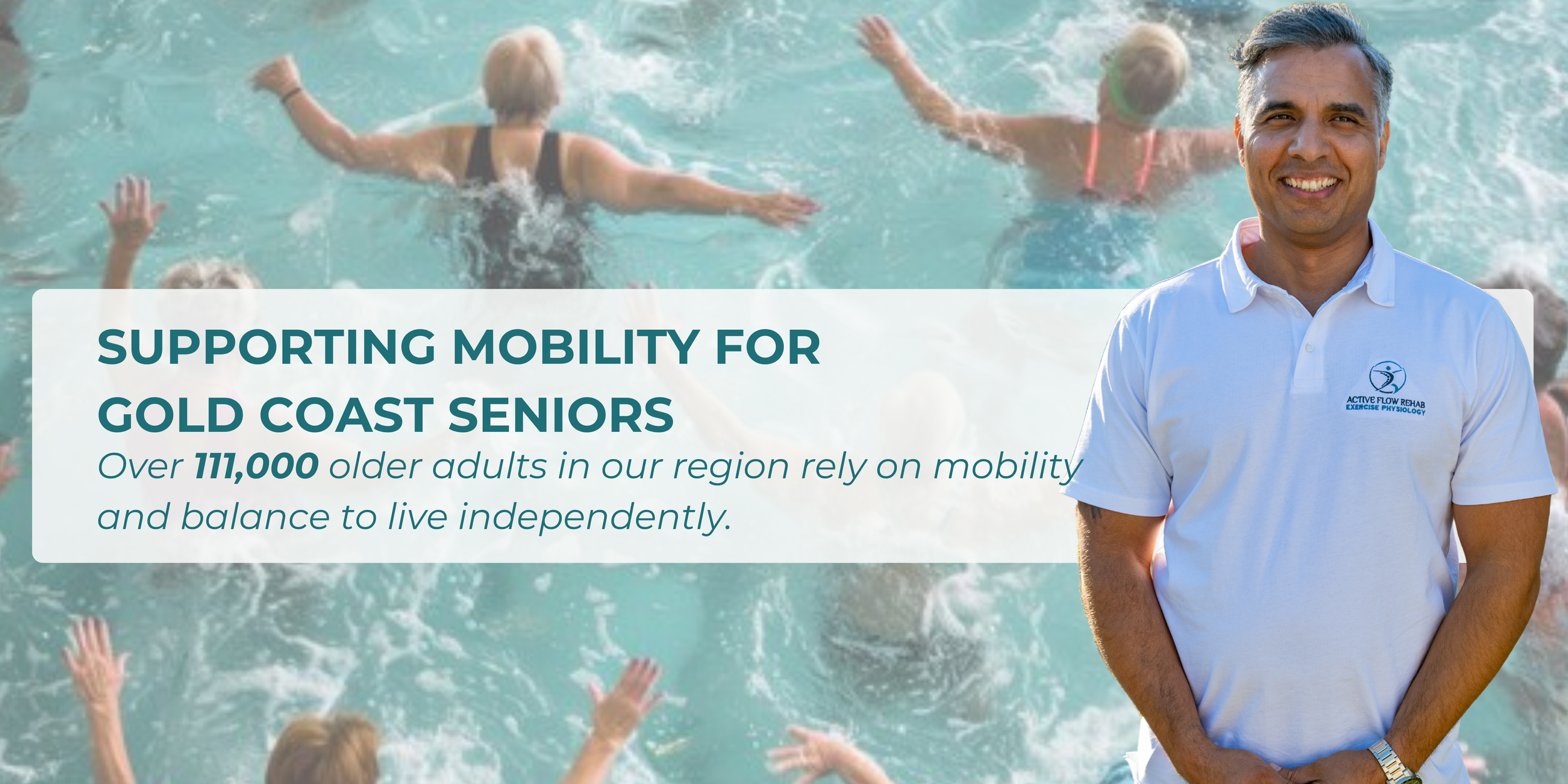
On the Gold Coast alone, more than 111,000 residents are aged 65 and over, representing nearly one in five people living in the region. As this population continues to grow, supporting safe movement and mobility is becoming an increasingly important part of community health.
While ageing naturally brings changes to muscle mass, balance, and endurance, these changes are not simply something people must accept. Research consistently shows that structured strength and balance training can significantly improve function and reduce health risks for older adults.
The Link Between Strength, Balance, and Falls
One of the most significant risks associated with declining strength and mobility is falls.
Across Australia, around one in four people aged over 65 will experience a fall each year, and falls remain the leading cause of injury-related hospitalisation among older adults.
Loss of muscle strength, reduced balance, and decreased confidence in movement are key contributors. Over time, this can lead to people avoiding activity altogether, which further accelerates decline.
The encouraging news is that these risks are modifiable.
Evidence shows that structured exercise programs focusing on strength and balance training are among the most effective strategies for preventing falls and supporting independence in older adults.
Strength training supports everyday tasks such as standing from a chair, climbing stairs, carrying groceries, and maintaining stability while walking. Balance exercises help reduce the likelihood of trips, slips, and falls, allowing people to move through their environment with greater confidence.
Movement Changes with Age But… It Can Be Supported
Many older adults also live with long-term health conditions that affect mobility. National data shows that more than half of older Australians live with some form of disability, and nearly 87% live with at least one chronic health condition.
These conditions may include arthritis, cardiovascular disease, neurological conditions such as stroke or Parkinson’s disease, or simply the gradual changes that occur with ageing.
For many people, the challenge is not a lack of motivation to move, it is finding a safe, supportive environment to do so.
When exercise feels overwhelming, painful, or unsafe, participation naturally declines.
This is why structured and supervised exercise programs designed specifically for older adults can play such an important role in maintaining long-term health.
The Role of Exercise Physiology
Exercise physiology focuses on using targeted, evidence-based movement to improve health outcomes, functional ability, and confidence.
For older adults, this may include:
Strength training to support muscle health
Balance exercises to reduce falls risk
Low-impact movement to maintain mobility
Progressive programs tailored to individual abilities
Importantly, exercise does not need to be intense to be effective. Consistency, progression, and individualisation are far more important.
Programs that are adapted to each person’s health conditions, goals, and comfort levels allow movement to remain achievable and sustainable.
Creating Accessible Options for Seniors
For some older adults, land-based exercise programs work well. For others, alternative environments such as hydrotherapy can make movement easier and more comfortable.
Water-based exercise can support mobility by reducing joint loading while still providing resistance for strength and balance training. This can be particularly helpful for individuals experiencing joint pain, neurological conditions, or reduced confidence in movement.
Community-based classes also play an important role. Group exercise environments often provide social connection, motivation, and accountability, helping people maintain consistent participation.
For many seniors, these classes become not only a health intervention but also a meaningful part of their weekly routine.
Supporting Independence Through Movement
As the Gold Coast’s population continues to age, supporting mobility and independence for older adults will remain an important focus for families, healthcare providers, and community organisations.
Strength and balance training is not simply about exercise. It is about maintaining the ability to move confidently through daily life, remain engaged in the community, and continue doing the activities that matter most.
With the right support, environment, and guidance, movement can remain possible at every stage of life.
How Active Flow Rehab can support your clients
If you’re supporting an older adult who may benefit from structured movement or falls prevention support, there are a range of inclusive options available.
Active Flow Rehab offers both individualised exercise physiology sessions and community-based classes designed to support strength, balance, and confidence in movement.
To learn more about available programs or discuss suitable options, connect with the Ankush at Active Flow Rehab